
Mon - Fri: 08:00am - 06:00pm
416 317 3408
info@removemywalls.ca
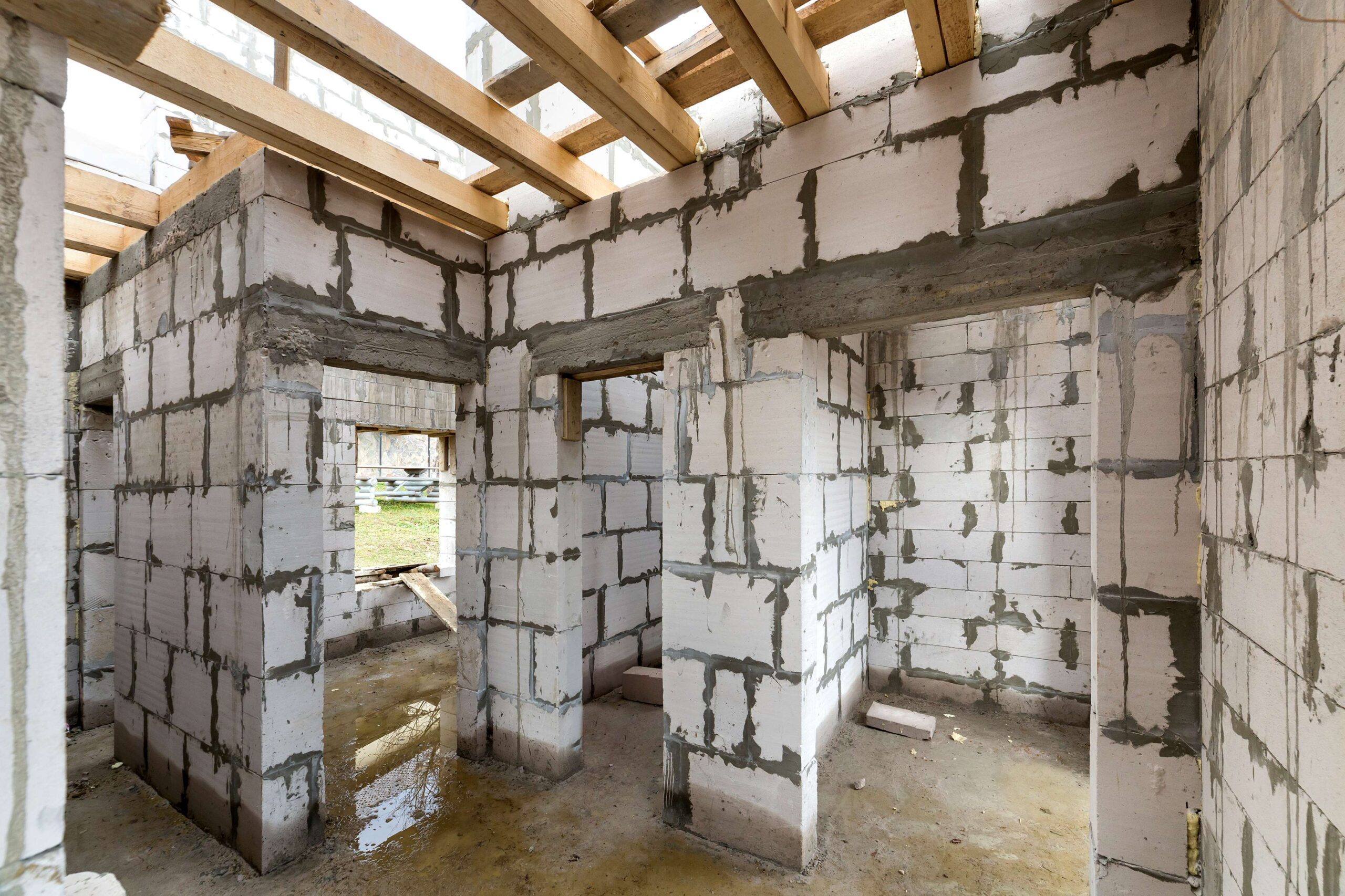
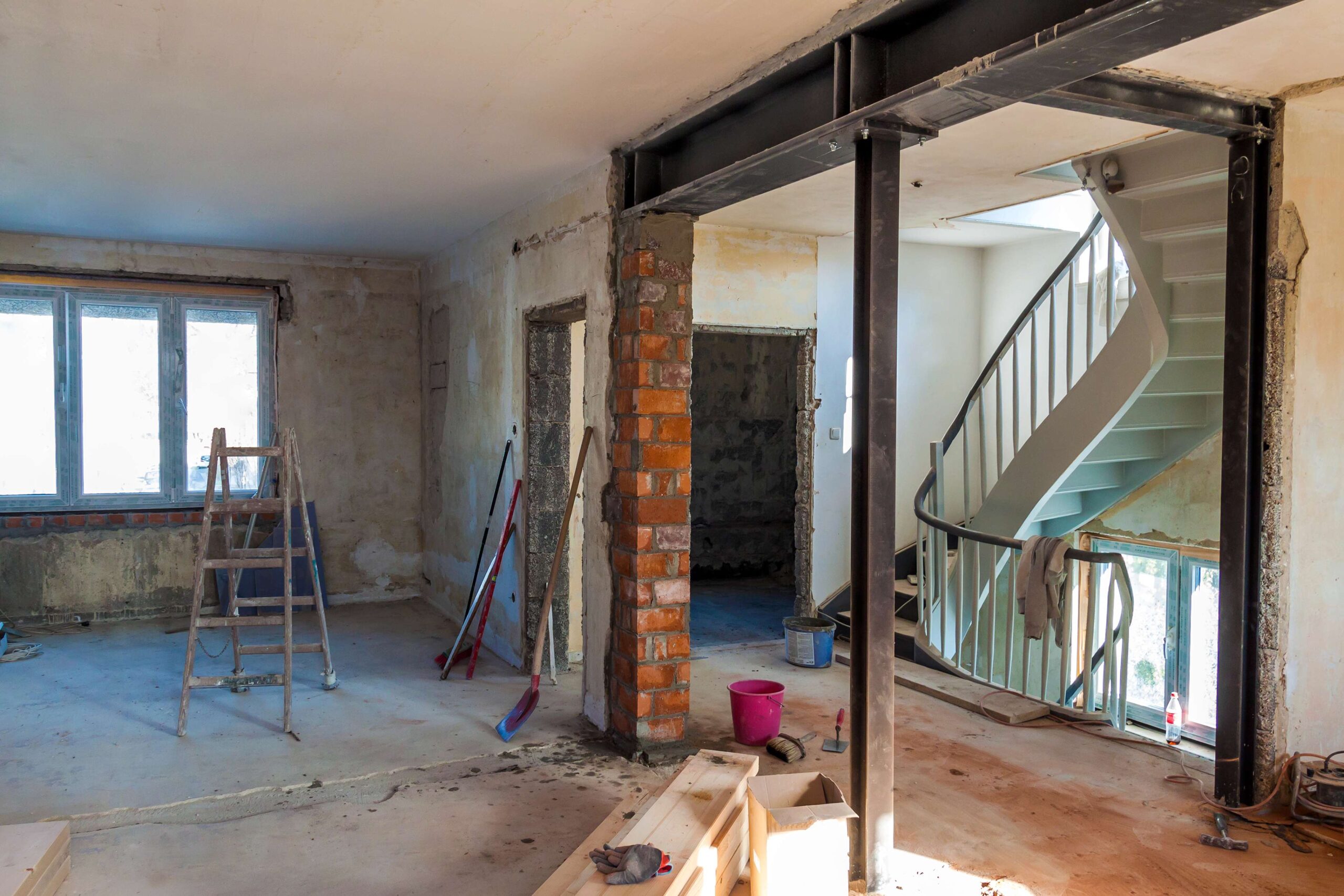
When you remove a load-bearing wall, a beam takes over the job of holding up the structure. The two most common choices in GTA homes are LVL (laminated veneer lumber) and steel. The short version: LVL costs less and installs faster, while steel spans farther with a slimmer profile. Both are strong and safe when engineered correctly — the right pick comes down to your span, your budget, and how you want the finished ceiling to look.
LVL is made from thin wood veneers bonded under heat and pressure into a dense, uniform beam. It’s stronger and more stable than regular lumber.
Steel offers the highest strength for a given depth, making it ideal for long spans or heavy loads.
For a typical single-storey load and a moderate span, LVL is usually the practical, cost-effective choice. For a wide opening, a two-storey load, or when you want the slimmest possible beam to minimize a bulkhead, steel often wins. In some cases a flitch beam (steel plate sandwiched between LVL/lumber) gives the best of both. Your structural engineer makes the final call based on the actual load and span.
Slightly. LVL is stocked locally and can often be picked up the same week, while a steel beam is usually cut to order and welded with the connection plates your engineer specifies, which can add lead time. Steel also takes longer to manoeuvre into an occupied home. Neither difference is dramatic, but it’s worth knowing when you’re planning around a kitchen being out of use.
A flitch beam deserves its own mention because it solves a specific problem. It’s a steel plate bolted between layers of LVL or lumber, giving you much of steel’s strength while keeping wood faces you can nail into. That matters during finishing: joist hangers, drywall backing and trim all attach far more easily to wood than to bare steel. Flitch beams are a popular middle path when a pure LVL beam would be too deep for the space, but a full steel beam feels like overkill for the load.
Beyond strength and cost, a few everyday points separate the two. Wood-based beams like LVL are simple to drill for small wiring runs where the engineer allows it; steel is not — penetrations are generally off the table. Steel needs its connection points designed in advance, since you can’t improvise on site the way you can with wood fasteners. And if the beam will stay exposed as a design feature, each brings a different look: a wrapped LVL reads as a warm wood beam, while exposed steel gives a more industrial, loft-style character. None of these points decides the beam on its own, but together they explain why the engineer weighs more than just the span.
Neither is universally “better.” Steel can span farther with a slimmer profile and handle heavier loads, while LVL is more affordable, lighter, and easier to install. The best choice depends on your span and load requirements — an engineer will determine the right option.
Yes, steel generally costs more in both material and installation. This is partly due to its weight and the additional handling required. LVL is often a more economical choice for typical residential spans.
LVL can span long distances, but it usually requires more depth than steel for the same span and load capacity. This can result in a larger bulkhead. For very wide openings, steel or a flitch beam may be a better option.
A flitch beam is a hybrid beam made with a steel plate bolted between pieces of engineered wood or lumber. It combines the strength of steel with the easier installation and fastening benefits of wood, making it useful when additional strength is needed without using a full steel beam.
A beam installed flush within the floor structure can provide a flat ceiling. Steel’s slimmer profile can make a flush installation easier, but flush beams typically cost more regardless of the material used.
Get a free consultation on your load bearing wall removal project in Toronto or anywhere across the GTA. We’ll assess your wall, explain the process, and give you a clear, no-obligation quote.